


Supplement stacking is not about throwing every tub in your cupboard into one oversized shaker. It is about building a simple, goal-led routine where each product earns its place. Whether you are chasing a heavier squat, a fuller physique, better recovery or a cleaner cut, the right stack can support the work you already put in.
The key word is support. Supplements do not replace a solid training plan, enough food, quality sleep or consistency. Get those foundations moving first, then use your stack to make progress easier to sustain.
What Is Supplement Stacking?
A supplement stack is a combination of products used together for a specific outcome. That might mean protein and creatine for muscle gain, caffeine and electrolytes for hard training sessions, or protein and a calorie-controlled diet for fat loss.
The best supplement stacking is focused, not complicated. Each product should have a clear job, a sensible dose and a place in your day. If two products do the same thing, or their ingredients overlap heavily, you may be spending more without getting more back.
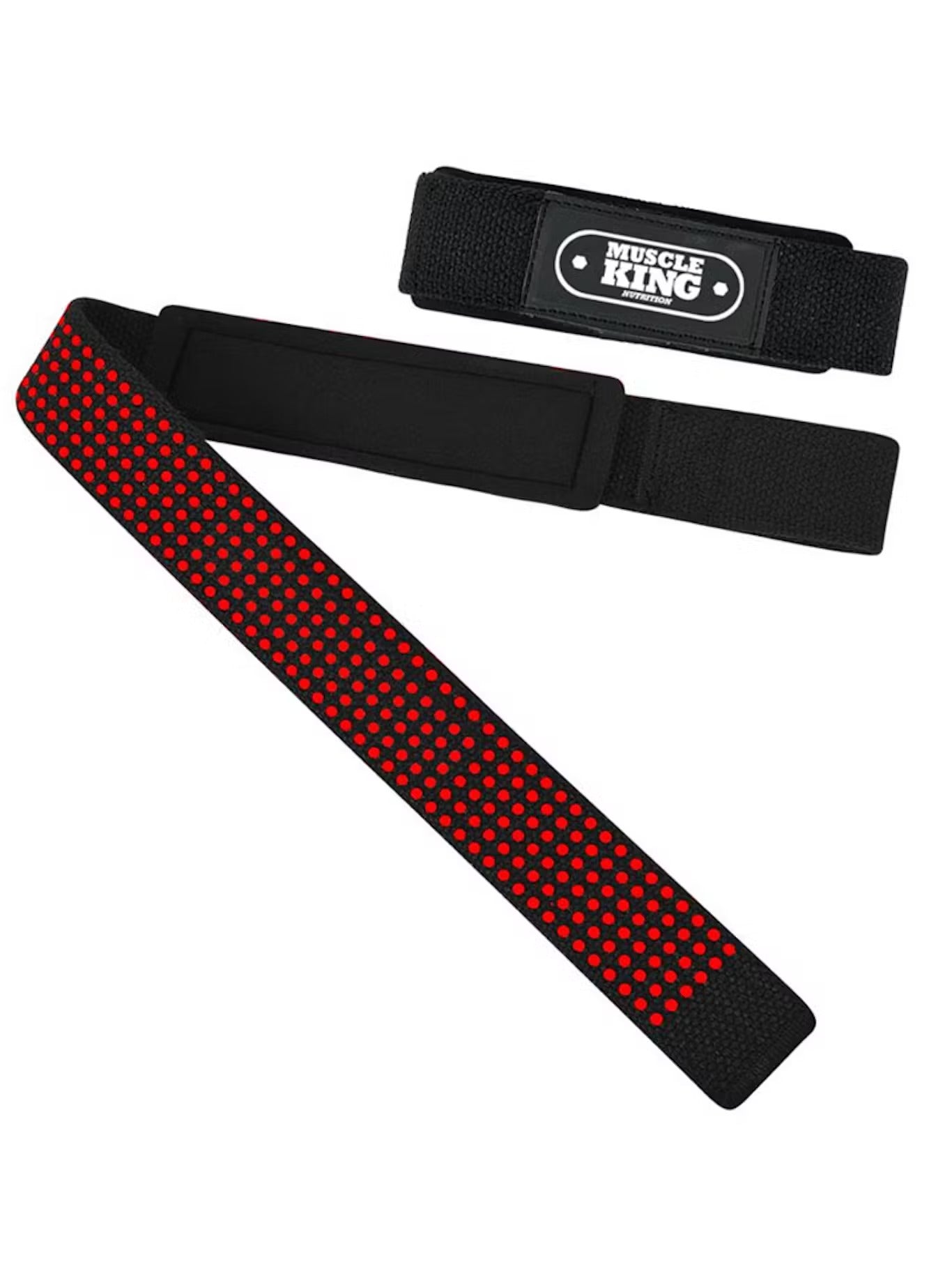
Think of your stack as a training kit. You would not buy four pairs of lifting straps before sorting your footwear and programme. Apply the same logic to supplements.
Start With the Goal, Not the Product
The biggest mistake is shopping by hype rather than need. A high-stim pre-workout might look tempting, but it is not the first answer if your real issue is missing meals, poor sleep or inconsistent training.
For most gym-goers, one of these goals will shape the stack: building muscle, gaining bodyweight, losing fat, improving training performance, supporting recovery, or covering everyday nutrition. Pick the priority that matters most for the next eight to twelve weeks. Your nutrition, training and supplements should all pull in that direction.
A muscle-gain stack
For gaining muscle, protein intake is the main job. A protein powder is simply a convenient way to help you reach your daily target when food alone is not practical. Whey is popular because it is quick and easy after training or between meals, while casein can suit those who prefer a slower-digesting option later in the day.
Creatine monohydrate is a strong addition for people training for strength, muscle and repeated high-intensity effort. Take it consistently, usually 3-5g daily, rather than treating it as a pre-workout-only product. Timing matters far less than showing up with it every day.
If you struggle to eat enough calories, a mass gainer can be useful. It is a convenience tool, not a requirement. Whole foods still bring fibre, micronutrients and better control over your intake, but a shake can help bridge the gap on busy days.
A performance stack
A performance stack should make good sessions more repeatable. Creatine remains useful here, while a pre-workout may suit people who train early, after work or on days when energy is genuinely low.
Check the caffeine amount before you scoop. A strong pre-workout, coffee and an energy drink can quickly turn into more stimulant than you intended. Too much caffeine can leave you shaky, disrupt sleep and make tomorrow's session worse. Start with a lower serving if you are new to pre-workouts, and avoid taking stimulants late in the day.
Electrolytes can also make sense if you sweat heavily, train in warm conditions, do long sessions or play sport alongside lifting. They are not magic, but replacing fluids and sodium can be useful when plain water is not quite enough.
A fat-loss stack
For fat loss, keep the stack lean and realistic. Protein powder can help you hit protein targets while managing calories, which may support fullness and help preserve muscle during a calorie deficit. Creatine can still stay in the picture if you are lifting hard.
Fat burners are optional, not essential. Many rely on stimulants, so treat them as you would any caffeine product and read the label carefully. The calorie deficit, food choices, steps and training plan will decide the result. No capsule can negotiate around those basics.
Build Your Stack in Layers
A reliable way to organise supplement stacking is to build from the foundations upward. Start with the products most likely to solve a real gap before considering the extras.
First comes protein support if your diet regularly falls short. Next is creatine for those focused on gym performance or muscle gain. Then consider training support such as a pre-workout or electrolytes, only where it fits your sessions. Finally, look at health-focused products such as vitamin D, omega-3 or a multivitamin if your diet, lifestyle or professional advice suggests they are appropriate.
This approach keeps your routine affordable and easy to follow. It also means you can tell what is working. Introduce one product at a time for a week or two where possible, especially if you are sensitive to caffeine or trying a new formula.
Watch for Ingredient Overlap
Labels matter. A pre-workout may already contain creatine, caffeine, electrolytes, amino acids and vitamins. Add a separate product in each category without checking, and you could accidentally double up.
Caffeine is the obvious one. Look at the amount per serving, not just the number of scoops. Also account for coffee, tea, energy drinks and any fat burner you use that day. If your sleep starts slipping, your heart feels uncomfortable or you feel consistently wired, scale it back and seek medical advice if symptoms are concerning.
Creatine overlap is usually less dramatic, but it is still worth checking. If your pre-workout contains a small amount, you may prefer to top it up separately to reach your chosen daily intake rather than buying multiple creatine-heavy formulas.
Be careful with amino acids too. If you already hit a sufficient daily protein intake through meals and shakes, BCAAs may add little to your routine. They can still be convenient for some people who train fasted or prefer flavoured drinks, but they are not a substitute for adequate protein.
Timing Matters Less Than Consistency
Supplement marketing often makes timing sound like a science experiment. In reality, your overall daily intake and consistency do most of the heavy lifting.
Have protein when it helps you reach your target. Take creatine at a time you will remember. Use a pre-workout before training, allowing enough time to assess your tolerance. Drink electrolytes around sessions where fluid losses are likely to be higher.
There are practical exceptions. Caffeine close to bedtime is rarely a smart trade, even if it gives you a great evening session. Poor sleep affects recovery, appetite, mood and performance. A stimulant-free pump product, a lighter coffee, or training a little earlier may be the better call.
Make It Fit Your Budget and Routine
The strongest stack is the one you can keep buying and using consistently. A basic protein-and-creatine setup will often deliver more value than a crowded line-up of niche products that you use for two weeks and forget about.
Buy based on servings, ingredients and your actual usage, not just the size of the tub. A bigger container is not always better value if it contains a formula you do not need. At Muscle Factory, building a basket around a clear goal makes choosing between trusted brands far simpler than chasing every new release.
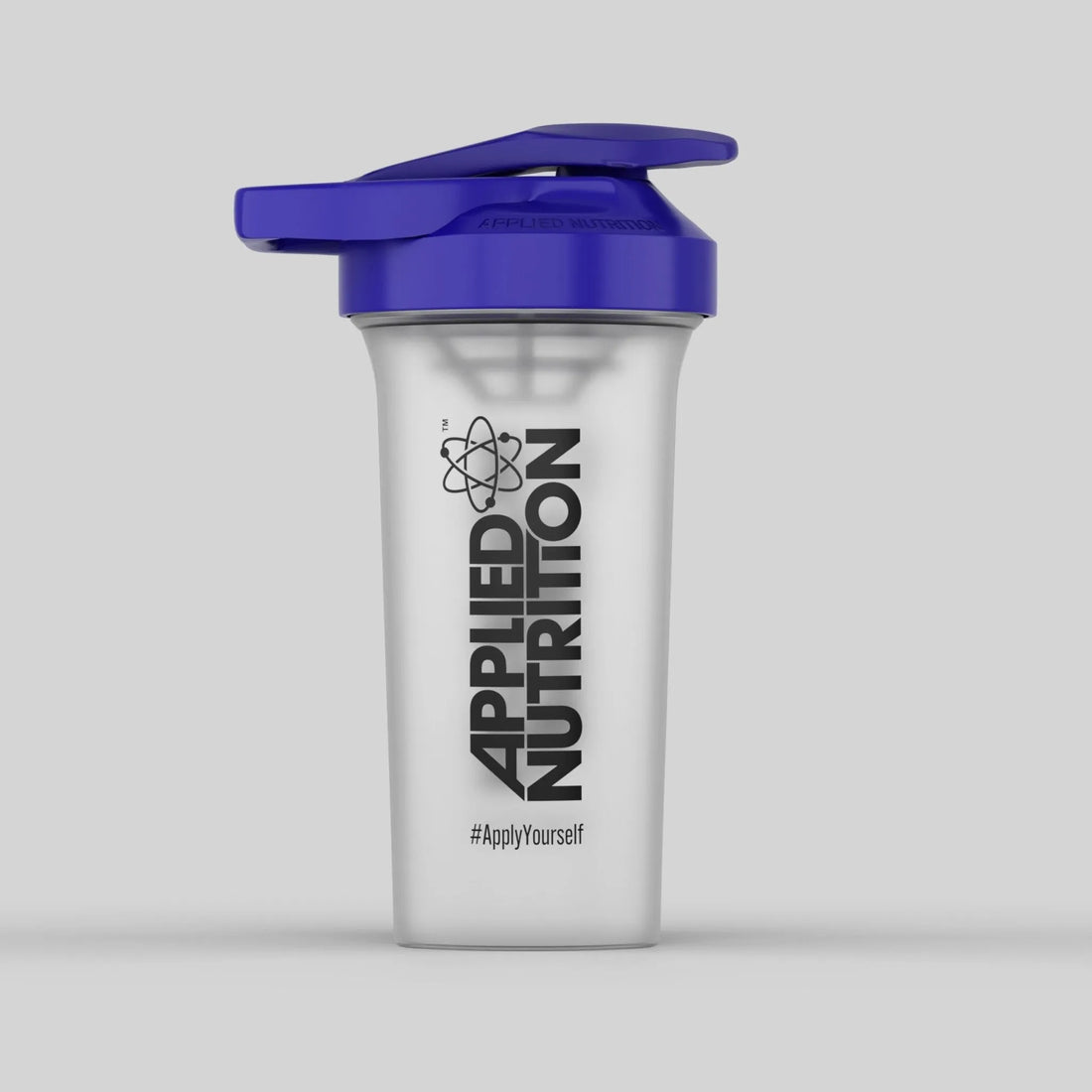
Keep your supplements somewhere visible, use a shaker you do not mind washing, and attach habits to things you already do. Creatine beside the kettle, protein powder at work, and pre-workout in your gym bag can beat a perfect plan that lives only in your notes app.
Who Should Take Extra Care?
If you are pregnant or breastfeeding, under 18, taking medication, managing a medical condition, or have concerns around blood pressure, heart health, anxiety or caffeine sensitivity, speak to a qualified healthcare professional before starting a new supplement routine. This matters particularly with high-stimulant pre-workouts, fat burners and products containing multiple active ingredients.
Always follow the label directions. More scoops do not mean more results. They usually mean a faster route to an upset stomach, a poor night's sleep or an expensive tub running out early.
Your stack should feel like a useful part of the process, not another source of pressure. Start with one clear goal, choose the few products that genuinely support it, and give the basics enough time to work. Train hard, eat with purpose and let your supplements fill the gaps - that is where real progress starts to build.


