




A hard session is only half the job. If you train with intent but turn up under-fuelled, miss your protein target and rely on whatever is in the cupboard after work, progress becomes harder than it needs to be. This training nutrition guide keeps things practical: eat for your goal, fuel the sessions that matter and use supplements to fill genuine gaps rather than replace the basics.
Build Your Training Nutrition Guide Around Your Goal
Before choosing a protein powder or pre-workout, get clear on what you want your body to do. A calorie surplus supports muscle gain, a calorie deficit drives fat loss, and maintenance calories can work well when you are focused on performance, strength or body recomposition. The best approach is the one you can repeat for weeks, not the most aggressive plan you can manage for three days.
For a bulk, aim for a modest surplus rather than treating every meal as a free-for-all. Gaining weight too quickly usually means more body fat than you wanted, which can make the next cut longer. Start with a small increase in food, track your average bodyweight and gym performance, then adjust if nothing is moving after two or three weeks.
For a cut, keep the deficit controlled. You need enough energy to train hard, recover and hold on to muscle. Slashing calories while adding endless cardio can leave you flat, hungry and weaker under the bar. Fat loss should feel focused, not punishing.
Maintenance is not a wasted phase. It can be the right move after a long diet, during a busy period at work or when you want to push training performance without constantly chasing the scales. Your goal sets the calorie target, but protein, carbohydrates, fats and hydration still decide how well you perform within it.
Protein: The Non-Negotiable for Muscle and Recovery
Protein is the foundation for anyone lifting regularly. It supplies the amino acids your body uses to repair and build muscle tissue after training. A useful daily target for most gym-goers is around 1.6 to 2.2g of protein per kilogram of bodyweight. If you are dieting hard, training frequently or simply find higher protein foods keep you fuller, sitting towards the upper end may suit you.
Spread that intake across the day instead of saving nearly all of it for dinner. Three to five protein-containing meals is a sensible rhythm for most people. Think eggs or Greek yoghurt at breakfast, chicken, fish, tofu or lean mince at lunch and dinner, then a shake or high-protein snack when convenience matters.
Whey protein is not magic, but it is useful. It is quick, portable and makes it easier to hit your number when a proper meal is not realistic. Whey isolate can be a good option for those who prefer lower lactose and lower carbohydrate content, while a standard whey concentrate is often better value. Vegans can use a quality plant blend, ideally one combining sources to provide a more complete amino acid profile.
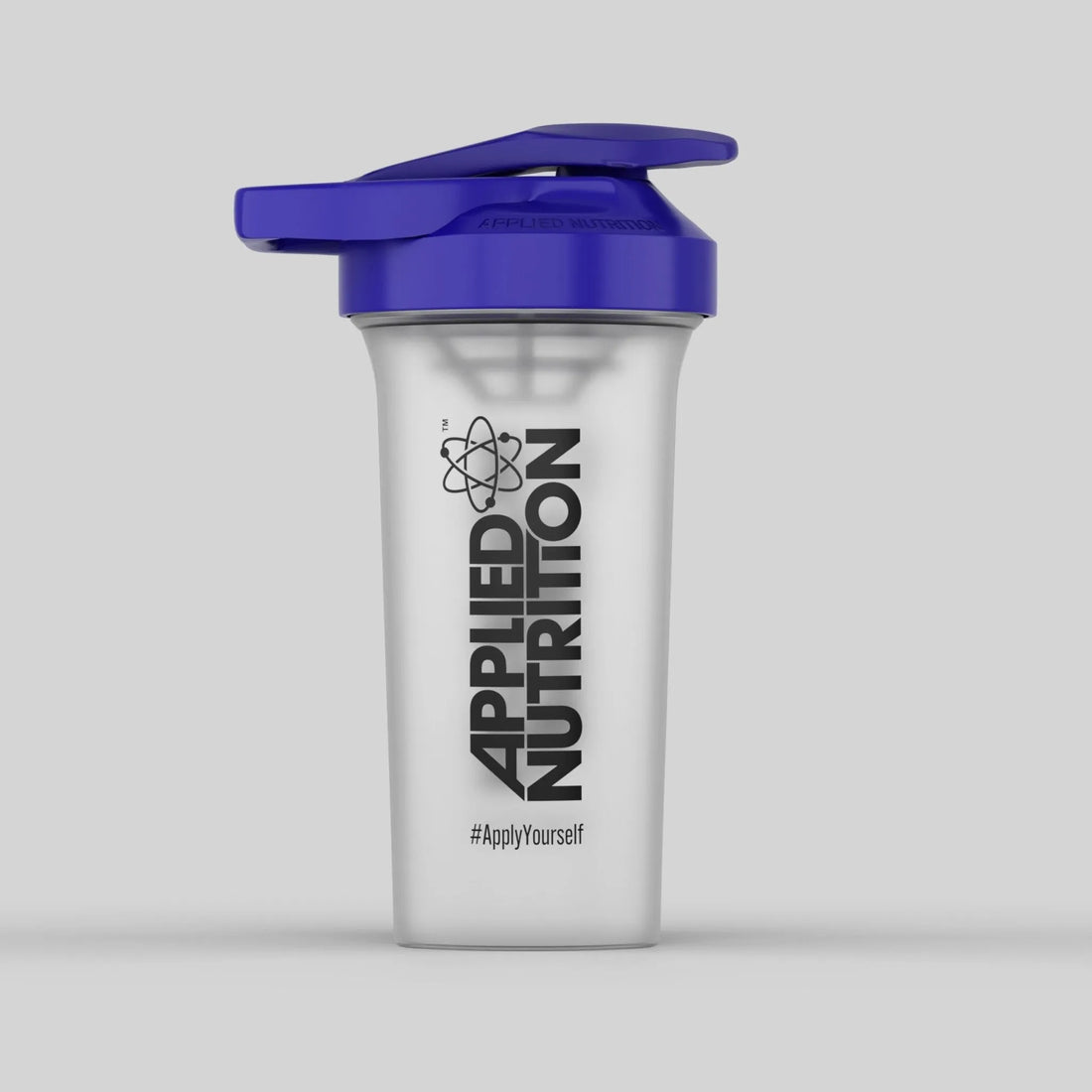
The rule is simple: food first where possible, protein powder when it makes execution easier. A shaker in your gym bag beats missing the target because your commute ran late.
Carbs Power the Work That Builds Results
Carbohydrates are often the first thing people cut, then they wonder why leg day feels like a battle. Carbs are stored as glycogen in the muscles and liver, helping to power hard lifting, conditioning and high-volume sessions. The more demanding your training, the more useful carbohydrate becomes.
You do not need to fear carbs on a cut. You need to allocate them intelligently. Keep more of your intake around the sessions where you want to perform well, especially before and after training. Rice, potatoes, oats, cereal, bagels, fruit and cream of rice are all practical options. The best choice depends on digestion, preference and how much time you have.
A meal two to three hours before training could include a lean protein source, a generous serving of carbohydrate and a little fat. For example, chicken and rice, oats with whey and banana, or mince with potatoes. If you are training early or have less time, choose something lighter that digests well, such as a banana and whey shake, cereal with yoghurt, or cream of rice mixed with protein.
Post-workout nutrition does not need to be a race against the clock. Your total daily intake matters more than finishing a shake before you leave the car park. Still, a protein and carbohydrate meal within a few hours is a sensible habit, particularly if you trained fasted, trained twice in one day or have another demanding session coming up.
Do Not Let Fats and Fluids Become an Afterthought
Dietary fat supports general health, hormone function and food enjoyment. Keep sources such as olive oil, nuts, seeds, avocado, oily fish and whole eggs in your diet, but remember that fats are calorie-dense. If fat loss has stalled, pouring oil freely or grazing on nuts can quietly push calories higher than expected.
Hydration is equally easy to overlook. A small drop in hydration can make a hard session feel harder, especially in a warm gym or during longer cardio work. Start your session already hydrated rather than trying to catch up halfway through it. Water will cover most sessions, but electrolytes can be useful when you sweat heavily, train for a long time or exercise in hot conditions.
Look at the basics: thirst, urine colour, training environment and how much you sweat. There is no need to force litres of water for the sake of it, but consistently turning up dehydrated is a performance leak you can fix quickly.
Supplements That Earn Their Place
Supplements should support your plan, not become the plan. A solid stack is usually built around the products that solve a specific problem: protein for convenience, creatine for strength and training output, caffeine or pre-workout for energy, and electrolytes for harder or sweatier sessions.
Creatine monohydrate is one of the simplest choices for regular lifters. Take 3-5g daily, at a time you will remember. You do not need a loading phase, and it does not need to be taken immediately before training. Consistency is what matters. Some people notice a small increase in scale weight from water held within the muscle, which is normal and not body fat gain.
Pre-workout can be useful when motivation is low after a long day, but check the caffeine content rather than chasing the strongest tub on the shelf. More stimulant does not always mean a better session. If caffeine affects your sleep, training at 7pm with a high-stim pre-workout may cost you more recovery than it gives you energy. Sleep is still the best recovery product available.
BCAAs are rarely essential if your daily protein intake is already high, particularly when you use whey, meat, dairy, eggs or complete plant proteins. They can be a convenient flavoured drink, but they should not take priority over hitting calories, protein and hydration. Be honest about what will actually move the needle.
When building a straightforward stack, Muscle Factory makes it easy to cover the staples without shopping across multiple places. Start with what your routine needs, not what looks good in a social media haul.
Make Nutrition Fit a Real UK Routine
The perfect meal plan is useless if it collapses when work gets busy, you travel, or you are training straight after your shift. Build repeatable meals around foods you actually enjoy and can prepare. Batch-cook a protein source, keep easy carbs in the cupboard and have quick options ready for the days when cooking is not happening.
You also do not need to eat like a bodybuilder every day of the year. A restaurant meal, a birthday or a takeaway will not erase your progress. The issue is not one flexible meal. It is letting one meal turn into a week of abandoning your routine. Get back to your next planned meal and keep moving.
Track enough to learn, not so much that food controls your life. During a focused bulk or cut, tracking calories and protein can reveal whether your plan is working. If you prefer not to track long term, use regular meals, portion awareness and weekly progress checks to stay honest. Photos, waist measurements, gym logbook numbers and average bodyweight all tell a fuller story than one weigh-in.
Adjust Based on Evidence, Not Emotion
Your body will not change in a straight line. Water retention, a salty meal, poor sleep, hard training and monthly hormonal changes can all affect the scales. Look at weekly averages and trends rather than reacting to a single morning.
If you want to gain muscle but bodyweight and strength have been static for several weeks, add a little more food, usually from carbohydrates. If fat loss has stalled for two or three weeks with genuine adherence, make a small reduction in calories or increase activity modestly. Avoid drastic changes unless there is a clear reason for them.
Keep your training nutrition guide close to your actual training. Eat enough to attack your key lifts, keep protein high, use supplements with purpose and give the plan time to work. The next meal is a chance to support the result you want - make it count.


